
Key Takeaways
- Felicia Adjei, Member of Parliament for Kintampo South, undertook a five-day working visit to Libya to address the plight of Ghanaian migrants.
- The visit focused on Ghanaians from the Bono East Region, who have been traveling through irregular and dangerous migration routes to Libya in search of employment and better economic opportunities.
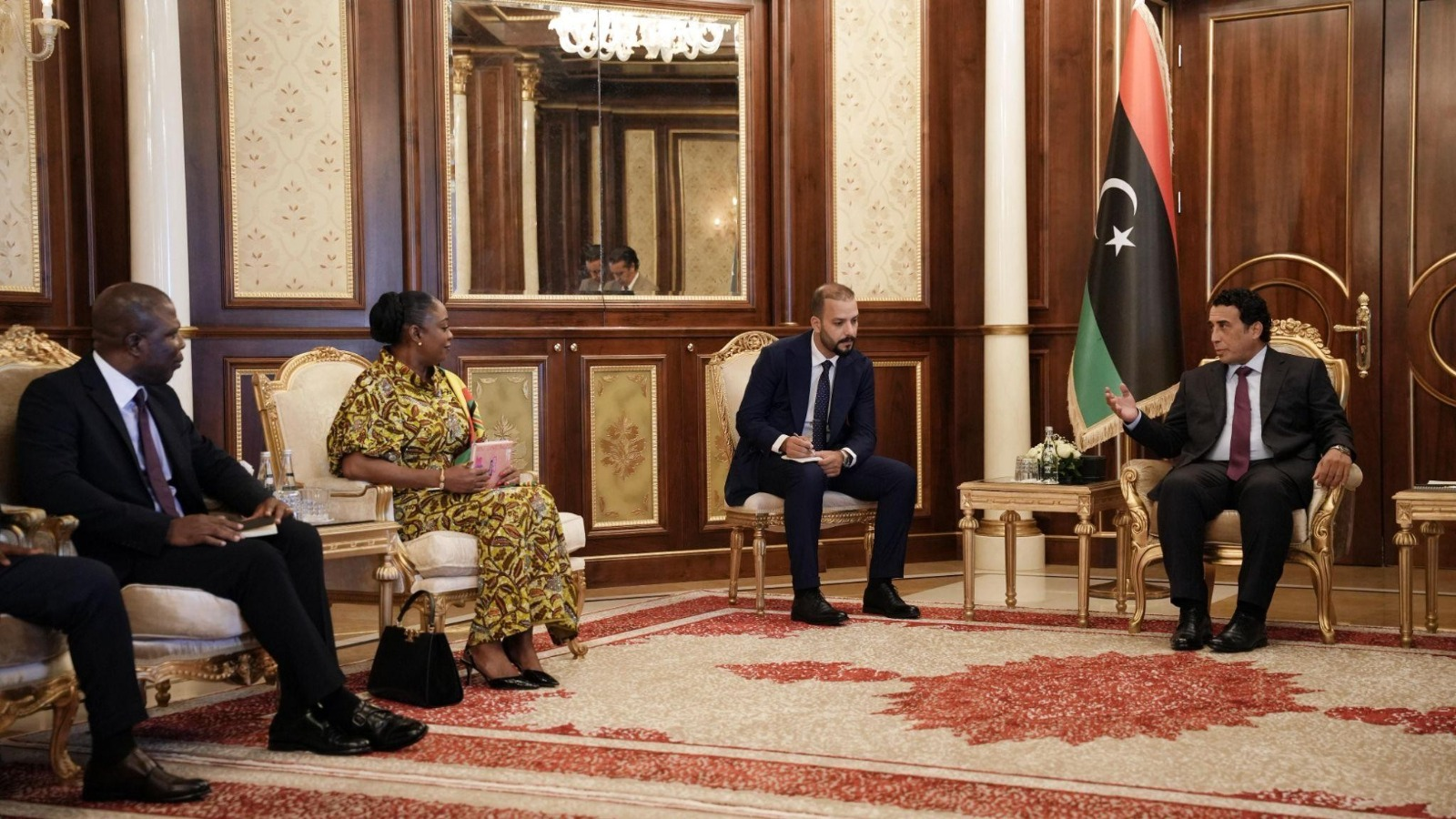
- During the visit, Ms. Adjei met with Libyan authorities and members of the Ghanaian community, highlighting the need for safe, regular, and properly documented travel between the two countries.
The Member of Parliament for Kintampo South, Felicia Adjei, has undertaken a historic five-day working visit to Libya to address the plight of Ghanaian migrants and gather first-hand information about the challenges they face in the North African country. The visit was a crucial step towards finding solutions to the irregular migration of Ghanaians to Libya.
Libya has been both a destination and transit country for migrants from Ghana and other parts of sub-Saharan Africa. Many of these migrants travel through the Sahara Desert with the intention of working in Libya, while others hope to continue across the Mediterranean Sea to Europe. The journeys are often organised by smugglers and expose migrants to dehydration, hunger, violence, abandonment in the desert, and other life-threatening conditions.
Background & Context
The scale of Ghanaian migration through Libya has been a major concern for several years. In 2024, the International Organization for Migration assisted 1,597 Ghanaian migrants to return safely from Libya through nine charter flights. Since 2017, more than 8,000 Ghanaian migrants have reportedly received voluntary return support, with many of the beneficiaries returning from Libya after becoming stranded or experiencing hardship along irregular migration routes.
Reports by international organisations have repeatedly documented serious human rights violations against migrants in Libya, including arbitrary detention, torture, sexual violence, trafficking, and exploitation. The need for safe, regular, and properly documented travel between Ghana and Libya has become increasingly urgent.
Key Findings
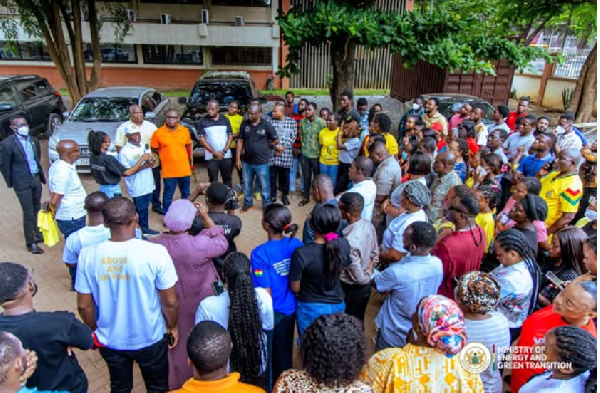
During her visit, Ms. Adjei met with members of the Ghanaian community and listened to accounts of the difficulties they encounter, including unemployment, lack of legal documentation, poor working conditions, exploitation, limited access to healthcare, and the constant threat of arrest and detention. Some of the irregular migrants faced physical abuse, human trafficking, extortion, and forced labour.
Ms. Adjei also discussed the possibility of establishing bilateral partnerships between relevant Ghanaian and Libyan institutions to promote safe, regular, and properly documented travel between the two countries. Stronger cooperation between the authorities could help create legitimate employment opportunities, protect Ghanaian workers from exploitation, and reduce the number of young people relying on smugglers and dangerous desert routes to enter Libya.
Broader Implications
The proposed skills training and migration resource centre in the Kintampo South Constituency is expected to equip young people with practical skills to help them secure employment or establish businesses in Ghana. It would also equip those seeking opportunities abroad with the knowledge and qualifications required to migrate through lawful, safer channels.
The centre would work with government institutions, development partners, private-sector organisations, and Libyan authorities to develop training programmes linked to available employment opportunities. Ms. Adjei pledged to advocate for bilateral labour arrangements that would allow qualified Ghanaians to travel to Libya legally, work under clearly defined contracts, and receive appropriate protection from both countries.
Looking Ahead
Ms. Adjei expressed concern about migrants who wish to return to Ghana but lack the financial resources or documentation required to do so. She promised to engage the Government of Ghana, the Ghanaian Embassy in Libya, the International Organization for Migration, and other relevant stakeholders to support the safe return and reintegration of stranded migrants.
The historic visit by Ms. Adjei marks a significant step towards addressing the plight of Ghanaian migrants in Libya. As the government and relevant stakeholders move forward, it is crucial to address the root causes of irregular migration and provide safe, regular, and properly documented travel opportunities between Ghana and Libya.



0 Comments
Leave a Comment
No comments yet. Be the first to share your thoughts!