
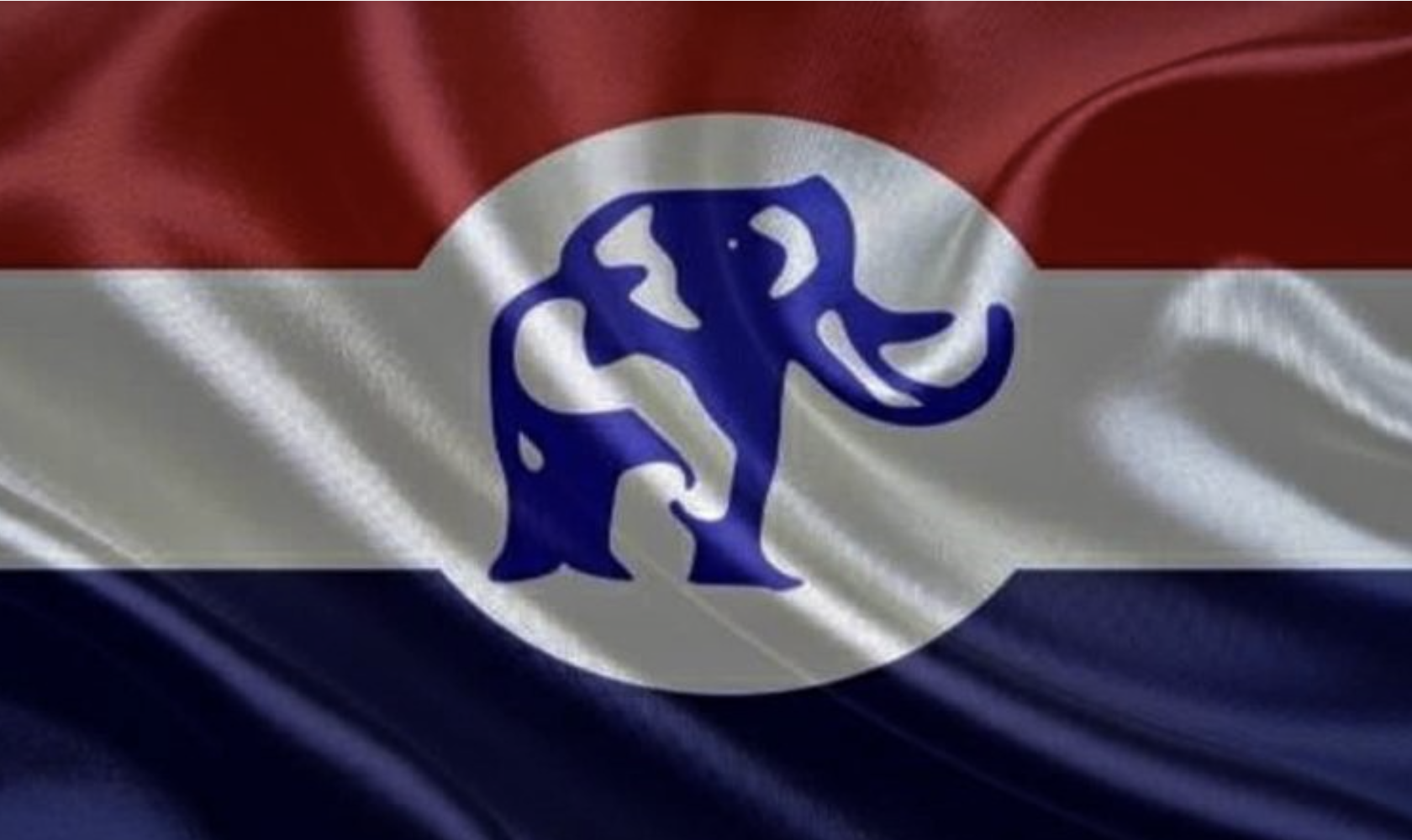
Key Takeaways
- The High Court in Sefwi Wiawso has halted the conduct of constituency executive elections of the New Patriotic Party (NPP) pending the determination of an application for an interlocutory injunction.
- The court's order was issued on July 10, 2026, and the case is expected to return to court on July 17, 2026, for hearing of the interlocutory injunction application.
- The order affects the party's ongoing internal electoral processes in parts of the Western North Region, where the NPP is reorganising its constituency structures ahead of future national political activities.
The High Court in Sefwi Wiawso has intervened in a long-standing dispute within the New Patriotic Party (NPP) in the Western North Region, halting the conduct of constituency executive elections pending the determination of an application for an interlocutory injunction. The order was issued on July 10, 2026, by the court presided over by His Lordship Justice Oliver Atsu Abadain.
This development is likely to have significant implications for the party's internal electoral processes in the region, where the NPP is reorganising its constituency structures ahead of future national political activities. The court's decision is a testament to the ongoing legal challenges faced by the party in its internal electoral processes.
Background & Context
The NPP has been embroiled in a series of disputes in the Western North Region, with various factions vying for control of the party's structures. These disputes have led to several court cases, with the latest one involving an application for an interlocutory injunction to halt the conduct of constituency executive elections.
The Western North Region has been a stronghold for the NPP, and the party's internal electoral processes are crucial to its continued dominance in the region. The ongoing disputes and court cases have raised concerns about the party's ability to maintain its internal cohesion and prepare for future national political activities.
Key Findings
According to court documents, the plaintiffs in the case are listed as Ben Kumi, Peter Tanya Kyemalo, Samuel Asamoah, Solomon Adjei, Abena Ayensua, Emmanuel Owusu, and Joseph Boakye Danso. The defendants include the National Chairman of the NPP, the party's Director of Information Technology, the Chairman of the Constituency Election Committee, and officials of the Electoral Commission in the region.
The court's order was issued following an earlier application seeking to strike out an initial suit on the grounds that the plaintiffs had failed to exhaust the party's internal dispute resolution mechanisms and that the action constituted an abuse of court process. However, the court dismissed the application, allowing the plaintiffs to proceed with their case.
Broader Implications
The decision by the High Court in Sefwi Wiawso is likely to have significant implications for the NPP's internal electoral processes in the Western North Region. It may also have broader implications for the party's national politics, as it seeks to maintain its internal cohesion and prepare for future national political activities.
The ongoing disputes and court cases within the NPP have raised concerns about the party's ability to maintain its internal cohesion and prepare for future national political activities. The decision by the High Court in Sefwi Wiawso is a testament to the ongoing legal challenges faced by the party in its internal electoral processes.
Looking Ahead
The case is expected to return to court on July 17, 2026, for hearing of the interlocutory injunction application. The outcome of this hearing will determine the fate of the constituency executive elections, which were scheduled to take place between July 10 and 15, 2026. The party's internal electoral processes in the Western North Region will continue to be closely watched, as it seeks to maintain its internal cohesion and prepare for future national political activities.

0 Comments
Leave a Comment
No comments yet. Be the first to share your thoughts!