
Key Takeaways
- The US has reinstated a naval blockade of Iranian ports, effective from 20:00 GMT on Tuesday.
- A 20% charge on all cargo shipped through the Strait of Hormuz will be imposed, with Iran's foreign minister suggesting that Iran should be compensated for providing safe passage.
- The blockade aims to stop 'Iran's ships or customers' from entering or leaving the key oil shipping route, with all other countries having 'fair and open use' of the Strait.
The US has taken a significant step in its escalating conflict with Iran, reinstating a naval blockade of Iranian ports and imposing a 20% charge on all cargo shipped through the Strait of Hormuz. The move follows days of escalating strikes between the two countries, with the US targeting military targets in Iran and Iran retaliating with strikes on US military bases in Kuwait, Jordan, and Bahrain.
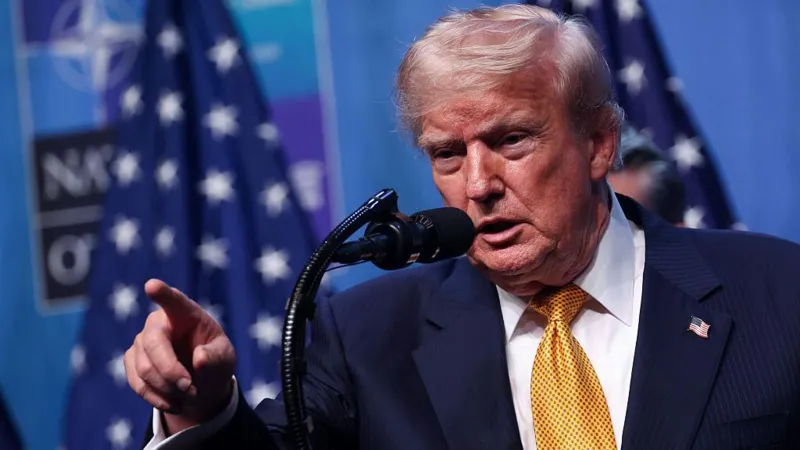
The blockade aims to stop 'Iran's ships or customers' from entering or leaving the key oil shipping route, with all other countries having 'fair and open use' of the Strait. The US has claimed that Iran 'broke' a deal made with the US, leading to President Donald Trump's decision to take over the strait.
Background & Context
The Strait of Hormuz is a critical waterway for international trade, with some 25% of the world's oil and 20% of global liquefied natural gas transported through it. The US first imposed a naval blockade of all Iranian ports in April, as part of its efforts to put pressure on Tehran.
However, the blockade was lifted in June as part of a memorandum of understanding between the two countries aimed at ending the conflict. The initial agreement halted fighting, but disputes over the strait later resurfaced again, leading to the current escalation.
Key Findings
According to the US Central Command (Centcom), its forces 'will resume blockading maritime traffic entering and exiting Iranian ports' on 14 July. The move has been met with resistance from Iran, with its foreign minister suggesting that whoever provides safe passage should be compensated for the service.
The International Maritime Organization (IMO) has also weighed in on the issue, stating that there is 'no legal basis' for introducing mandatory tolls for passage through straits used for international navigation. The IMO has called for the US and Iran to resolve their differences peacefully and without resorting to blockades or other forms of coercion.
Broad Implications
The reinstatement of the naval blockade and the imposition of a 20% charge on cargo shipped through the Strait of Hormuz could have significant implications for global trade and the economy. Oil prices have already begun to rise, and the conflict could have far-reaching consequences for the region and the world at large.
The announcement has also sparked concerns among US allies, who may be asked to contribute to the costs of the blockade. The move could also be seen as a bid by President Trump to restart negotiations and push other countries to be more involved in the conflict.
Looking Ahead
The future of the conflict and the fate of the blockade remain uncertain. The US has claimed that the strait will remain open, with or without Iran, but the reality on the ground is far from clear.
As the situation continues to unfold, it is likely that the US and Iran will engage in further negotiations and diplomatic efforts to resolve their differences. However, the path ahead is fraught with uncertainty, and the consequences of failure could be severe.





0 Comments
Leave a Comment
No comments yet. Be the first to share your thoughts!