
Key Takeaways
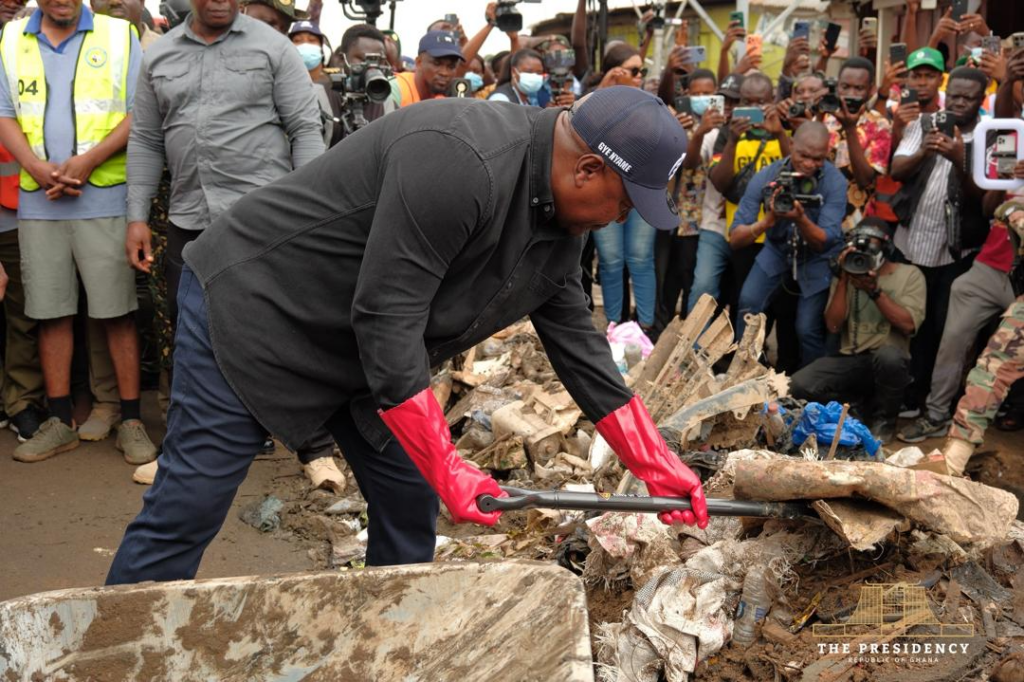
- President John Dramani Mahama led the second day of the national clean-up exercise in Alajo, Accra.
- The exercise aimed to address waste management challenges and improve environmental sanitation in flood-prone communities.
- Participating entities included Ministries, Departments, and Agencies (MDAs), Metropolitan, Municipal, and District Assemblies (MMDAs), and waste management companies.
- The immediate priority is to remove heaps of waste and transport them to approved disposal sites.
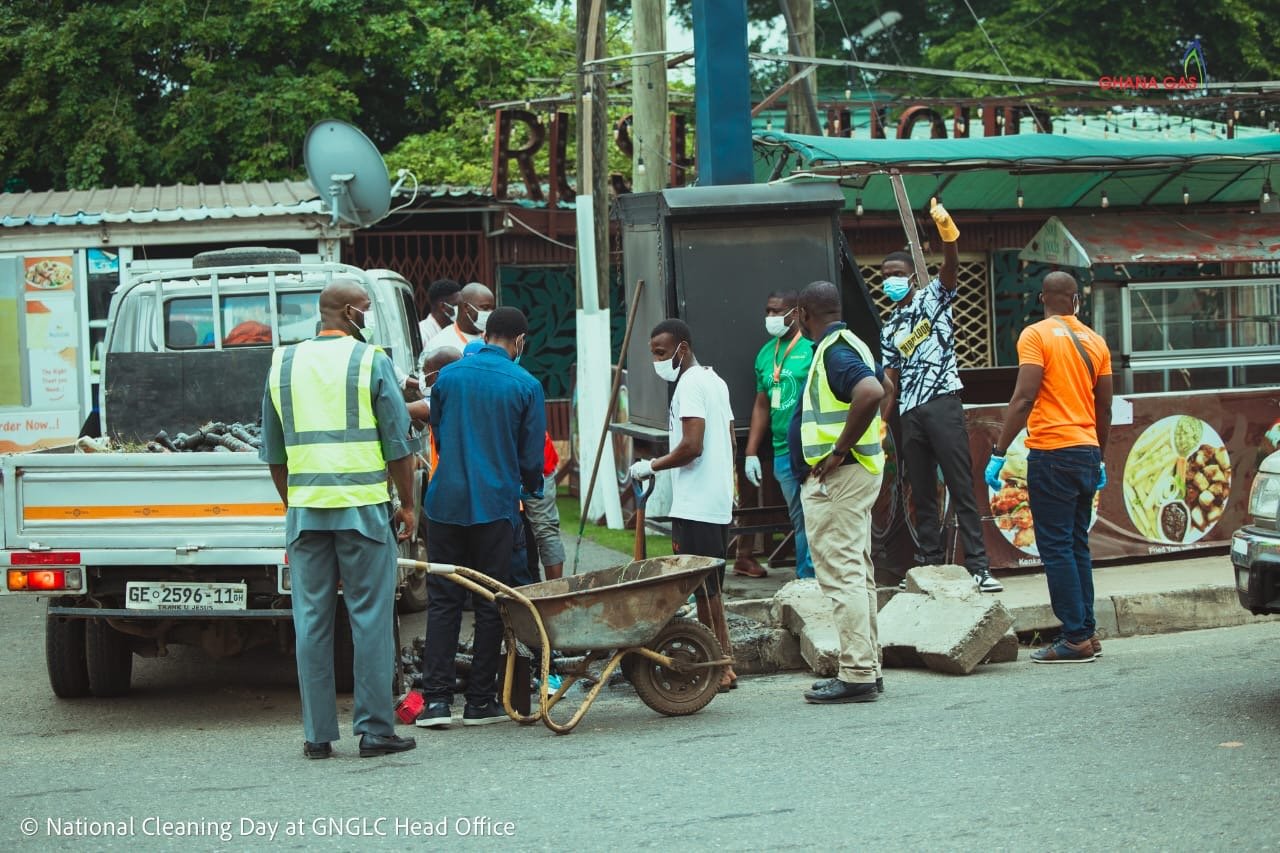
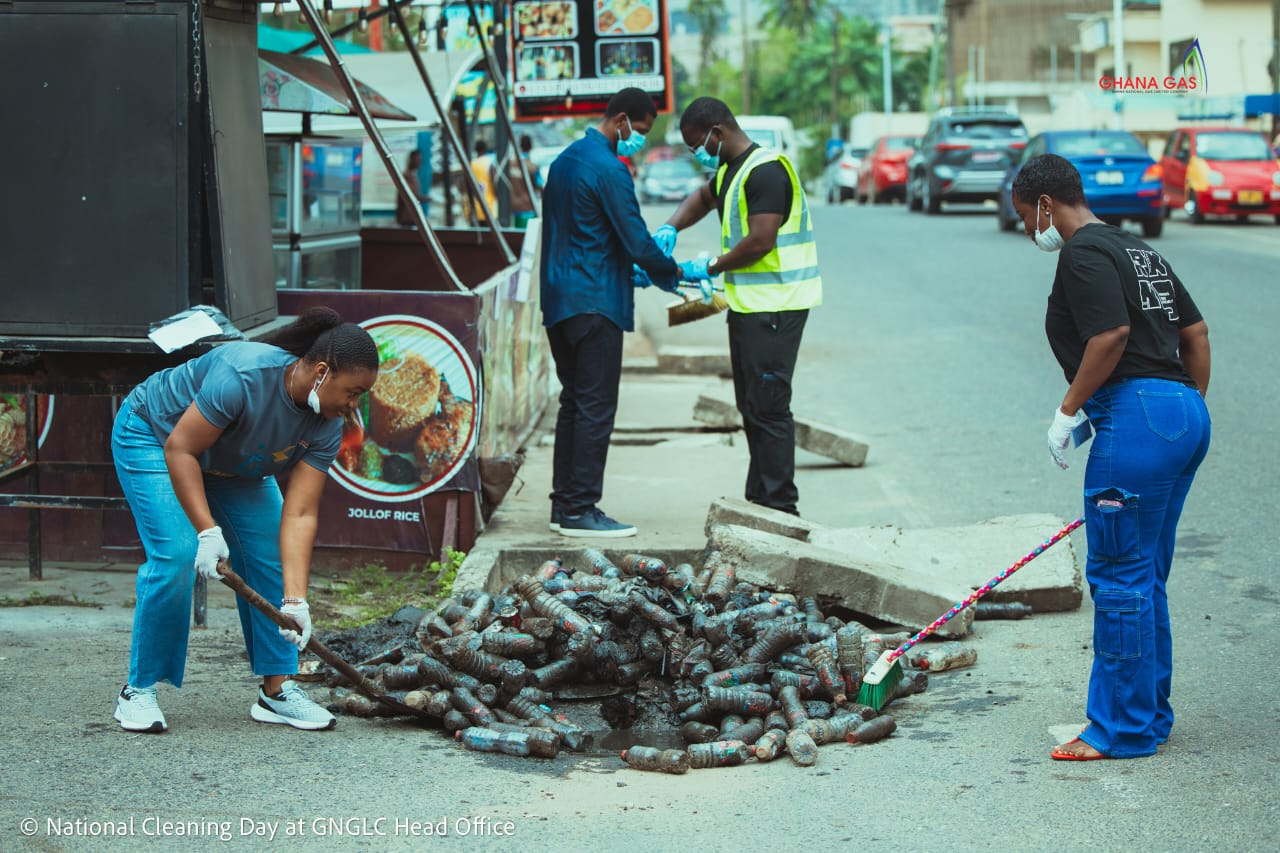
President John Dramani Mahama joined forces with residents, sanitation workers, and local authorities in Alajo, Greater Accra Region, to tackle the pressing issue of waste management and environmental sanitation in flood-prone communities. The national clean-up exercise, now in its second day, has brought together a diverse array of entities, including Ministries, Departments, and Agencies (MDAs), Metropolitan, Municipal, and District Assemblies (MMDAs), public and private institutions, the security services, educational institutions, and waste management companies.
As part of the exercise, participating entities have been engaged in coordinated clean-up activities to remove heaps of waste and transport them to approved disposal sites. In his remarks during the exercise, President Mahama emphasized the need to address waste management challenges and improve environmental sanitation in flood-prone communities. This initiative underscores the government's commitment to ensuring a clean and healthy environment for all Ghanaians.
Background & Context
Waste management has long been a pressing concern in Ghana, with the country struggling to cope with the increasing volume of waste generated by its growing population. Flood-prone communities, in particular, are vulnerable to the negative impacts of poor waste management, including the spread of waterborne diseases and the destruction of infrastructure. In response to this challenge, the government has launched a national clean-up exercise aimed at addressing waste management challenges and improving environmental sanitation in affected communities.
The national clean-up exercise is part of a broader effort to promote a culture of sanitation and environmental conservation in Ghana. The initiative has received widespread support from various stakeholders, including civil society organizations, private sector entities, and community groups. As the exercise continues, it is expected to raise awareness about the importance of proper waste management and to promote a culture of cleanliness and environmental responsibility among Ghanaians.
Key Findings
The first day of the national clean-up exercise has brought together a diverse array of entities, including Ministries, Departments, and Agencies (MDAs), Metropolitan, Municipal, and District Assemblies (MMDAs), public and private institutions, the security services, educational institutions, and waste management companies. This collaborative effort has resulted in the removal of significant amounts of waste and the implementation of measures to prevent waste accumulation in flood-prone communities.
The exercise has also highlighted the need for a more coordinated and sustainable approach to waste management in Ghana. The government has committed to improving waste management infrastructure and implementing policies that promote a culture of sanitation and environmental conservation. As the exercise continues, it is expected to inform the development of more effective waste management strategies that address the needs of affected communities.
Broader Implications
The national clean-up exercise has significant implications for the health, safety, and well-being of Ghanaians. Poor waste management practices can lead to the spread of waterborne diseases, the destruction of infrastructure, and environmental degradation. By addressing waste management challenges and improving environmental sanitation, the government can help to prevent the negative impacts of poor waste management and promote a healthier and more sustainable environment for all Ghanaians.
The exercise also highlights the need for a more collaborative and inclusive approach to addressing environmental challenges in Ghana. The government, civil society organizations, private sector entities, and community groups must work together to promote a culture of sanitation and environmental conservation and to develop effective solutions to environmental challenges. By doing so, they can help to ensure a clean, healthy, and sustainable environment for all Ghanaians.
Looking Ahead
As the national clean-up exercise continues, the government is expected to build on the momentum generated by this initiative. The exercise is expected to inform the development of more effective waste management strategies that address the needs of affected communities. The government has committed to improving waste management infrastructure and implementing policies that promote a culture of sanitation and environmental conservation.
The success of the national clean-up exercise depends on the continued support of all stakeholders, including civil society organizations, private sector entities, and community groups. By working together, they can help to ensure a clean, healthy, and sustainable environment for all Ghanaians and promote a culture of sanitation and environmental conservation in Ghana.
0 Comments
Leave a Comment
No comments yet. Be the first to share your thoughts!